
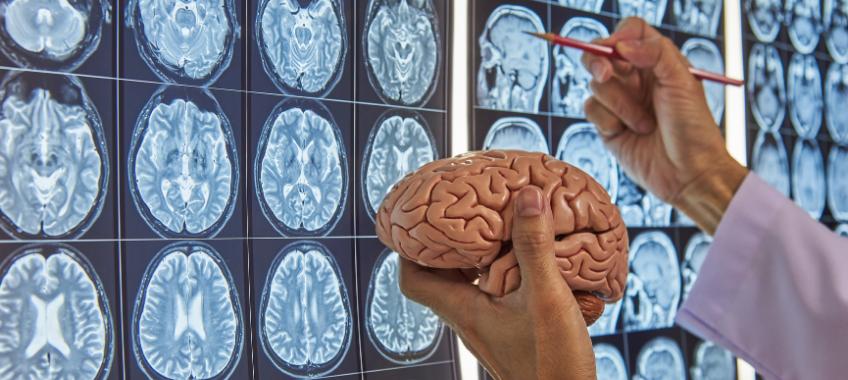
Who is a Neurologist?
Neurologists are specialized in treatment of nervous system, brain, spinal
cord, nerves and muscles.
Who is a Neurosurgeon?
A neurosurgeon
is also specialized in treatment of the nervous system, brain, spinal cord,
nerves and muscles but using surgical techniques along with non-surgical
practices.
What are Neurological Disorders?
Neurological
disorders are diseases of the brain, spine and nerves. There are more than 600
diseases of the nervous system, such as brain tumors, epilepsy, Alzheimer’s
disease, Parkinson’s disease and stroke.
What are the most common Neurological Disorders?
·
Alzheimer ’s disease: Alzheimer’s disease is the most common type of dementia. Dementia is
a general term for symptoms of mental decline that interfere with a person’s
daily life. It is not a normal part of ageing. The symptoms can include
problems with memory, communication & thinking. Symptoms of Alzheimer’s
begin slowly and get worse over time.
·
Amyotrophic Lateral Sclerosis (also called ALS or Lou Gehrig’s
disease): ALS or Lou
Gehrig’s disease is aprogressive disease, which means it gets worse over time.
It affects the motor neurons. These nerve cells send messages from the brain to
the spinal cord and then to the muscles. As the muscles get weaker, it gets
harder to walk, talk, eat, and even breathe.
·
Brain and Spinal Cord Injuries: Brain injury can affect a person’s cognitive,
physical, emotional or independent functioning. Traumatic brain injury refers
to a change in brain function due to an event after birth. Traumatic brain
injuries are specifically caused by accident, fall, or blunt force to the head.
While, acquired brain injuries can be caused by a number of factors.
Spinal cord
injuries are also most commonly caused by trauma, including car crashes or
sporting accidents, fall and blunt force to the spine. A spinal cord injury can
cause paralysis from the neck or chest down, resulting in restricted mobility
and feeling.
·
Brain Tumors: A brain tumor is a cluster of abnormal cells that grows out of control in
the brain. Some brain tumors are ‘benign’, which means the cells aren’t
cancerous. Others are ‘malignant’, meaning they are cancerous. Brain tumors are
called primary tumors, if they started in the brain. They are called secondary
if they started somewhere else in the body and are spread to the brain.
·
Cerebrovascular Diseases: Cerebrovascular disease refers to a group of conditions,
diseases, and disorders that affect the blood vessels and blood supply to the
brain. Cerebrovascular disease can develop from a variety of causes, including
atherosclerosis, where the arteries become narrow; thrombosis, or embolic
arterial blood clot, which is a blood clot in an artery of the brain; or
cerebral venous thrombosis, which is a blood clot in a vein of the brain.
Cerebrovascular diseases include stroke, Transient Ischemic Attack (TIA),
aneurysm, and vascular misinformation.
·
Epilepsy: Epilepsy is a
chronic disorder that causes unprovoked, recurrent seizures. A seizure is a
sudden rush of electrical activity in the brain. There are two main types of
seizures: Generalized seizures – that affect the whole brain; and Focal or
partial seizures – that affect just one part of the brain. A mild seizure may
be difficult to recognize. It can last a few seconds during which the person
lacks awareness. Stronger seizures, on the other hand, cause spasms and
uncontrolled muscle twitches, and can last a few seconds to several minutes.
There are several reasons why one might have a seizure, such as, high fever,
head trauma, very low blood sugar, and alcohol withdrawal.
·
Headaches and Migraines: A migraine is a strong headache that often comes with
nausea, vomiting, and sensitivity to light. It can last for hours or even days.
Migraines are different in everyone. Although no specific cause(s) of migraine
headaches is known, yet they seem to be related to changes in brain and to
genes.
·
Parkinson’s disease: Parkinson’s disease (PD) affects the nerve cells in the
brain that produce dopamine. Its symptoms include muscle rigidity,
tremors, and changes in speech and gait. After diagnosis, treatment can help
relieve symptoms, but there is no cure.
·
Multiple Sclerosis: Multiple Sclerosis (MS) affects the brain and spinal
cord. Early MS symptoms include weakness, tingling, numbness, and blurred
vision. Other signs are muscle stiffness, thinking problems, and urinary
problems. Treatment can relieve MS symptoms and delay disease
progression.
·
Neuromuscular Diseases: Neuromuscular Diseases (NMD) is a very broad term
encompassing a range of conditions that impair the functioning of the muscles.
NMD affect the nerves controlling voluntary muscles. The principal symptoms and
signs of NMD may include: muscular weakness; rigidity; loss of muscular
control; myoclonus (twitching, spasming, cramping); myalgia (muscle pain);
swallowing difficulties; breathing difficulties; fatigue; changes in facial
appearance; and visual disturbances.
·
Peripheral Nerve Disorders: Peripheral Nerve Disorders refers to the conditions that
result when nerves that carry messages to and from the brain and spinal cord to
and from the rest of the body are damaged or diseased. The peripheral nerves
make up an intricate network that connects the brain and spinal cord to the
muscles, skin and internal organs. Damage of these nerves’ interrupts
communication between the brain and other parts of the body and can impair
muscle movement, prevent normal sensation in the arms and legs, and cause
pain.
·
Sleep Disorders: Sleep disorders are a group of conditions that affect the ability to sleep
well on a regular basis. Most people occasionally experience sleeping problems
due to stress, hectic schedules, and other environmental influences. However,
when these issues begin to occur on a regular basis and interfere with the
daily life, they may indicate a sleeping disorder. Different types of sleep
disorders include: insomnia (the inability to fall asleep or remain asleep);
sleep apnea (pauses in breathing during sleep); parasomnias (abnormal movements
and behaviors during sleep); restless leg syndrome (overwhelming need to move
legs); and narcolepsy (‘sleep attacks’ that occur while awake).
·
Stroke: Stroke is caused
by a blocked blood vessel or bleeding in the brain. The signs of a stroke
include a sudden severe headache, weakness, numbness, vision problems,
confusion, trouble walking or talking, dizziness and slurred speech.
·
Spinal disorders: Numerous conditions can affect the spine anywhere from the neck to the
lower back. Some of the spine disorders include: back pain, chronic spine and
neck pain, arthritis, degenerative disc disease, herniated disc, spinal
stenosis, spondylosis, spinal tumors, spinal fracture, spinal cord injury, and
others.
How are Neurological Disorders treated?
The range of treatment varies with different conditions. A neurologist will
perform and interpret specific neurological examinations to discover
the appropriate treatment options.
What are the Neurological Examinations?
Neurologist will
review patient’s health history, paying special attention to the condition that
they are currently experiencing. Then examinations that tests patient’s vision,
strength, coordination, memory, reasoning and puzzle-solving abilities, reflexes
and ability to feel physical objects, smell odors and hear sounds are
conducted. The results of these tests help the neurologist to determine
specific problem of the brain or nervous system.
Why is Vasundhara Hospital considered best hospital for
neurology services in Rajasthan?
Vasundhara
Hospital offers extensive, multidisciplinary care for a wide range of
neurological conditions including the most complex cases. Our Department of
Neurology is committed to integrating their exceptional medical expertise,
technology and innovation to offer best in class treatments.